How Much Does A Cooking Class Cost In Italy?
A clear breakdown of cooking class prices across Italy, where Milan sits in the national range, and what a higher price actually buys beyond a longer session.
How Much Does A Cooking Class Cost In Italy?
Cooking classes in Italy typically cost between $39 and $223.61 per person for a three-hour hands-on session, with the national average sitting near $162 in Milan, and the price tracks three things more than any other: the setting, the group size, and whether a market visit or wine service is attached.
That range is not hypothetical. On this site's Milan roster alone, seven classes span from $39 to $223.61, which covers most of the national spread inside a single city. A budget analysis of 174 Milan cooking classes reports an average price of $162 USD with a typical duration of around 3 hours, so the Milan market is genuinely representative of what you will pay anywhere in the country. Rome, Florence and Bologna cluster in the same bands for the same reasons.
What follows is a breakdown of where those numbers come from, what the tiers actually deliver, and how to tell whether the extra hundred dollars is buying something real or just a nicer room.
How Much Does A Cooking Class Cost In Italy?
Most Italian cooking classes cost between $39 and $128 per person for a shared, hands-on session of roughly three hours with wine included, while market-plus-class combinations and private home experiences push the ceiling to $223.61, and Milan's average across 174 listed classes is $162.
The floor of the market is set by cooking schools running volume sessions. Eataly Milano Smeraldo, for example, lists most of its single-meeting classes at €70 each, with some at €75 to €90 and a couples ravioli class at €160, and its classes run on the same evening-class model you will find in Rome and Florence. Towns of Italy, which operates a school inside Milan's Mercato Centrale, lists its pasta and tiramisù class from €66.75, discounted from €89, for a three-hour session including the meal and a wine tasting.
The ceiling is set by something different entirely: privacy and provenance. The most expensive class on this site's roster, at $223.61, is not longer than the cheap ones in any meaningful way. It is a 4 hours 30 minutes Cesarine market tour plus cooking class in a local's home, and what you are paying for is the market guide, the home kitchen and the small group, not extra hours at the stove. That distinction, hours versus setting, is the single most useful thing to understand about Italian class pricing.
| Price band (per person) | What you typically get | Milan examples from this site's roster |
|---|---|---|
| Under $70 | School-based group class, meal included, wine often included | 3-Hour Cooking Class, Wine Included from $39; Pizza With Unlimited Gelato Option from $65.28 |
| $70 to $100 | Small-group class, full meal, wine, sometimes a themed venue | Gnocchi, Pasta, Tiramisu and Wine from $70.55; Home Pasta Class from $87 |
| $100 to $160 | Premium formats: longer sessions, market add-ons, gourmet operators | UNESCO Pasta Class, Prosecco Aperitivo from $128 |
| Over $200 | Market tour plus private home cooking class | Market Tour Plus Cooking Class from $223.61 |
Why Do Some Italian Cooking Classes Cost Three Times More Than Others?
The price gap comes down to four variables: group size, venue type, whether a market visit is attached, and whether the class runs in a private home rather than a commercial school, with venue and exclusivity mattering far more than session length.
Session length is the red herring. Nearly every class on the Milan roster, from the $39 option to the $128 one, runs about three hours. The $223.61 class runs 4 hours 30 minutes, but the extra time is a guided market tour before the cooking starts, not more instruction. If a listing charges double for "more time," check what the extra time actually contains.
Group size is the honest multiplier. A school running 16 people per session can charge $39 and still make money on volume; a host taking six guests into her home kitchen cannot. The Cesarine network, which places travellers with home cooks, requires its hosts to hold HACCP certification, food handler training and in some communes a SCIA registration, and charges hosts an annual community membership of €35 to €70 after the first year. That compliance and hosting overhead is baked into the $128 to $223.61 prices those experiences command.
Wine is the smaller line item but a real one. On this roster, the cheapest class at $39 already includes wine, so wine alone does not explain a price gap. What wine inclusion does do is quietly raise the value of a mid-priced class: a $70.55 class that serves wine throughout the cooking and the meal is competing with a restaurant dinner, not just a lesson.
The timed discount is the last variable worth knowing about. Two of the seven Milan classes are currently listed below their regular price: the Gnocchi, Pasta, Tiramisu and Wine class at $70.55, and the Pasta and Tiramisu at Granny's Home class at $75.42. Those discounts are current and changeable, not permanent fixtures, so treat them as a reason to book sooner rather than a feature of the product.
Is A Cheap Italian Cooking Class Still Worth Taking?
Yes, a $39 to $70 class in Italy is genuinely worth it when it includes hands-on cooking, the full meal and wine, because the format is nearly identical to classes costing twice as much, and the main things you give up are intimacy and venue character rather than food quality.
The 3-Hour Cooking Class, Wine Included in Milan is the clearest case study: from $39 per person, rated 4.7 across 578 reviews, and it covers the same pasta-and-tiramisu curriculum as classes costing $75.42 or $87. The venue is a commercial cooking school rather than a home, and the group is larger, but the reviews suggest the instruction and the food hold up. That pattern repeats across Italy; the budget tier is where schools compete hardest on volume and consistency.
Where cheap classes do fall short is atmosphere and depth. A school class teaches you the recipe. A home class, like the Pasta and Tiramisu at Granny's Home option from $75.42 or the Cesarine experiences at $128 and above, puts you inside a Milanese apartment with a host who cooks that food weekly, and that context is what many travellers remember. Whether that memory is worth the extra money is a personal call, not a quality judgment.
One practical caveat: read the refund policy before booking the cheapest option you find. On this site's roster, every class offers free cancellation up to 24 hours except one, the Natural Food and Wine, Local Home dinner experience at $94.65, which is non-refundable. A non-refundable class is effectively more expensive than its sticker price if your travel plans have any flex in them.
What Does The Top Of The Price Range Actually Buy?
At the top of the range, $128 to $223.61, you are buying access rather than hours: a guided market visit before the class, a private home kitchen instead of a school, and a small group, with the Cesarine market tour plus cooking class at $223.61 being the clearest example.
Break the $223.61 class down and the arithmetic becomes plain. A standalone market-focused food walk in Milan costs $74 to $116 depending on the operator. A standalone three-hour cooking class costs $39 to $87. Combine them, add the private-home setting and the 4 hours 30 minutes span, and the $223.61 price is roughly the sum of its parts plus a premium for doing it all in one booking with one host. That is a fair price for a full-day food experience, and an expensive one for a cooking lesson.
The $128 Cesarine UNESCO Pasta Class sits at the same logic in miniature. It runs 2 to 3 hours, includes a Prosecco aperitivo, and is rated 4.9 across 136 reviews, so the premium over an $87 school class buys the home setting and the welcome drink, not extra teaching time. Note that this class, like the FollowMI street food walk, sends the host address only after booking, which is standard for home-based experiences and worth knowing before you plan your day around it.
There is also a review-count nuance at the top of the market. The $223.61 class has 11 reviews, too few for any reliable rating claim, and the natural food and wine home dinner has 10. New and premium home experiences often have thin review histories simply because they host fewer people per week. That is not a warning sign in itself, but it means you are buying on format and host description rather than on crowd-verified ratings, and the free-cancellation policy matters more as a result.
For a deeper look at how the whole category compares, the cooking classes in Milan guide breaks down every format in the city, and how much should a food tour cost covers the same question for walking tours, where the pricing logic is different.
How Do You Avoid Overpaying For A Cooking Class In Italy?
To avoid overpaying, check four things on any listing before you book: whether the meal and wine are included in the price, the maximum group size, whether the meeting point is published, and the cancellation window, because those four factors explain most price differences that look arbitrary at first glance.
Start with inclusions. A $60 class that includes dinner and wine is cheaper in real terms than a $45 class that charges separately for the meal, and Italian listings vary on this. On the Milan roster every class includes the meal, but that is not uniform across the country, so read the inclusions list rather than the headline number.
Then check group size and venue together. If a listing does not state a maximum group size, assume it is large. The classes that publish small-group formats, like the 7 Tastings, Risotto and Wine walk or the Do Eat Better premium tours, charge more precisely because the cap is real. A class in an art gallery or a private home at $87 is competing on setting; a class in a school at $87 without a stated cap may simply be expensive.
Meeting-point transparency is a smaller but practical check. Most Milan classes publish an exact address, such as Via Cerano 12 for the gnocchi class or the Mercato Centrale school for the pizza class. Home-based experiences, including both Cesarine classes, send the address after booking. Neither is a problem, but knowing which type you have booked changes how you plan your arrival, and a listing that is vague about where a school-based class meets is a mild warning sign.
Finally, weigh the cancellation policy against your itinerary. Free cancellation up to 24 hours is the norm on this roster, and it effectively insulates you from overpaying, because you can rebook if you find something better. The one non-refundable experience is the exception that proves the value of the rule. For travellers who want the full decision framework, what is the best food tour in Milan walks through how to compare formats, and the wider Milan Food Tours catalogue lists every class with its price, duration and policy side by side.
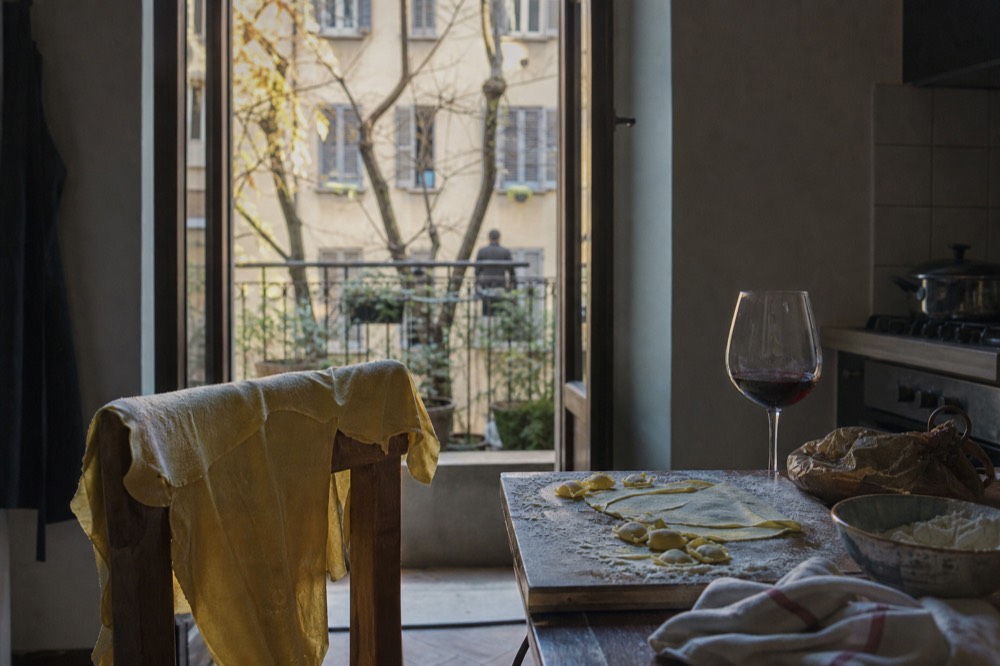
Italian cooking classes cluster between $39 and $128 per person for a shared three-hour session with meal and wine included, while home-based and market-combination formats run from $128 up to $223.61, and the questions below cover the specifics travellers ask most: what is included, why prices differ so sharply within one city, and which policies protect your money if plans change.
Common Questions About Cooking Class Costs In Italy
How Much Does A Cooking Class Cost In Italy?
Expect $39 to $128 per person for a shared three-hour hands-on class with meal and wine, $128 for premium home or UNESCO-themed formats, and up to $223.61 for a market tour plus private home cooking class. The average across 174 Milan classes is $162.
Are Cooking Classes In Italy Worth The Money?
Generally yes, because the price usually includes the full meal and wine, so a $70.55 class competes with a restaurant dinner plus a lesson. Budget classes from $39 to $70 deliver nearly the same curriculum as mid-priced ones; the premium buys setting and small groups.
Why Is One Class $39 And Another $223.61 In The Same City?
Group size, venue and add-ons. The $39 classes run in commercial schools with larger groups; the $223.61 class combines a guided market tour with a cooking class in a local's home over 4 hours 30 minutes. Session length is almost identical across the range.
Do Italian Cooking Classes Include Wine?
Most do. On the Milan roster, wine is included even in the $39 class, and the gnocchi and pasta classes serve it during both cooking and the meal. Check the inclusions list on the operator's live listing, since the convention is common but not universal across the country.
What Is The Average Cooking Class Price In Milan?
An analysis of 174 Milan cooking classes puts the average at $162 USD, with typical duration around 3 hours. That average is pulled up by premium home and market-combination formats; the median shared class sits well below it.
Can I Cancel An Italian Cooking Class If My Plans Change?
Usually yes: nearly every class on the Milan roster offers free cancellation up to 24 hours before the session. One home-dining experience is non-refundable, so always check the policy line on the listing before booking the cheapest or the most expensive option.