What Is The Coffee Rule In Italy?
The Italian coffee rule explained: cappuccino hours, the standing-versus-seated price gap, and the phrases that get you what you meant at a Milan bar.
What Is The Coffee Rule In Italy?
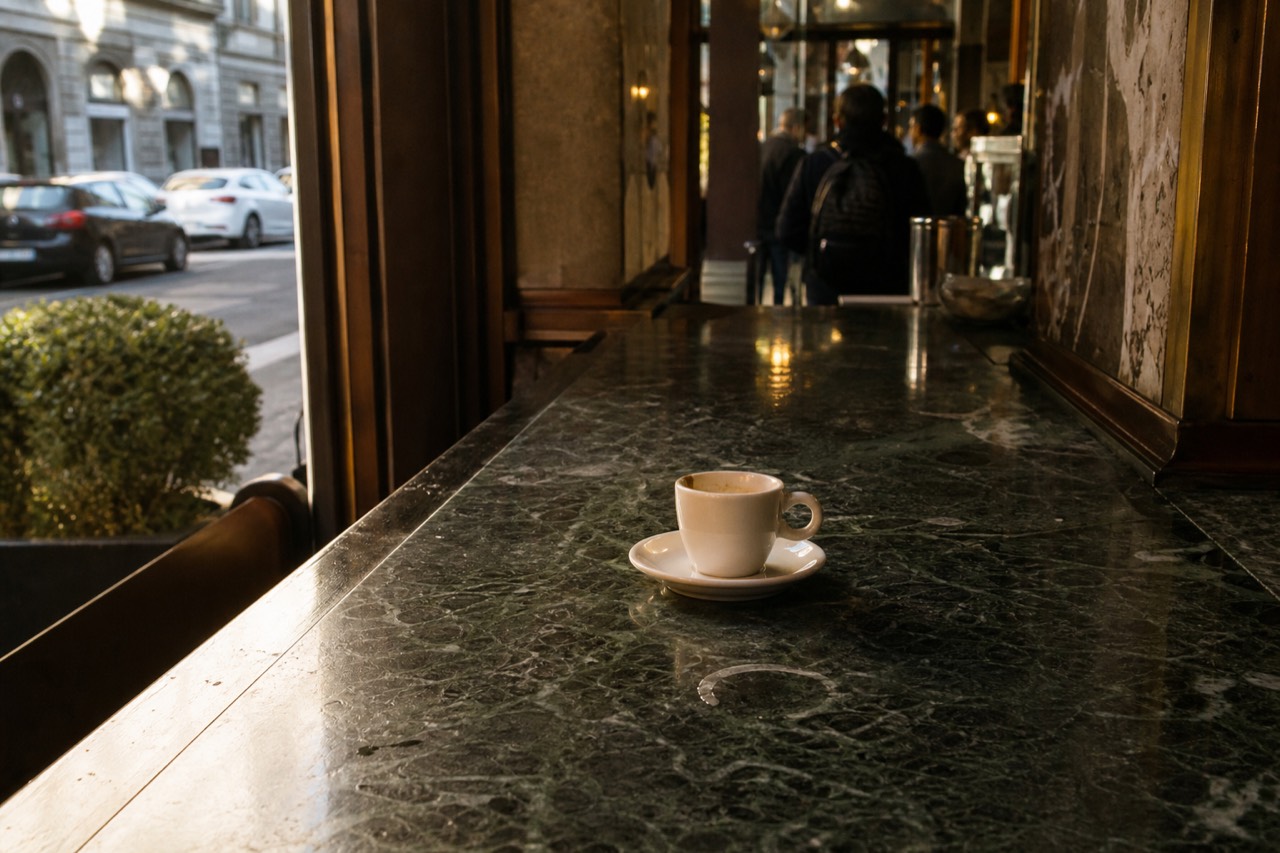
The coffee rule in Italy is an unwritten convention: cappuccino, caffè latte and other milky coffees are considered a morning drink, ordered before roughly 11 am and rarely after a meal, while espresso, ordered simply as "un caffè", is the default from morning to night. Nobody will stop you from ordering a cappuccino at 4 pm. It is a social signal, not a regulation, and Italian bar staff will serve you whatever you ask for.
That is the honest version, and it matters to start there, because most explanations online make the rule sound like a border control. It is closer to a grammar: Italians read the time of day and your choice of drink the way an English speaker reads a misplaced comma. A cappuccino after dinner marks you as a foreigner instantly, but the barista will still make it, usually without comment.
The rule has a practical root. Italians see a large quantity of hot milk as food, something that sits in the stomach, so it belongs with breakfast or instead of it. After a real meal, the logic goes, the stomach is already full and milk on top of it feels heavy. Espresso, by contrast, is a punctuation mark: it ends lunch, it punctuates the afternoon, it closes dinner. This is why the typical Milan breakfast is a cappuccio and a cornetto standing at a bar, and why the same order after 11 am starts to look odd.
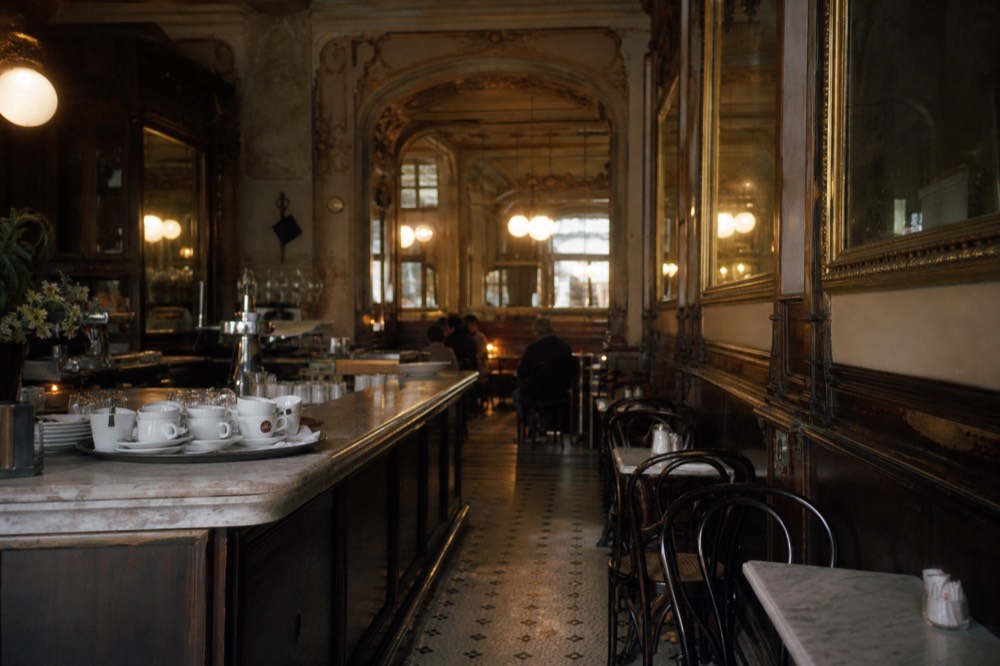
Milan sharpens the rule in one specific way. This is the city where the modern Italian bar culture was partly built: Gaspare Campari opened Caffè Campari on the corner of the Galleria Vittorio Emanuele II and Piazza Duomo in 1867, and his son Davide opened Camparino in the Galleria in 1915 as its younger brother, with a constant soda-water supply piped up from the cellars, according to the venue's own history page. A city with that inheritance takes its counter rituals seriously.
If you want to see the rule in action rather than read about it, a guided walk through Milan's pastry shops and bars puts you at the counter with someone who can translate:
Is The Cappuccino Rule Actually A Law?
No. There is no Italian law, regional regulation or municipal ordinance that restricts when you can order a cappuccino. The rule lives entirely in custom, and the worst that happens if you break it is a flicker of surprise from the barista. Some waiters in very touristy areas will gently confirm the order, "after lunch?", but refusal is essentially unheard of. Treat it as a costume code for drinks rather than a traffic rule.
The distinction matters because the internet is full of Italians-will-judge-you content that turns a soft convention into a hard border. In reality, plenty of Italians bend the rule themselves: a cappuccino at noon on a cold day, a macchiato in the evening. What the convention actually encodes is a shared assumption about what milk is for, and once you understand the assumption, the rule stops feeling arbitrary.
There is one genuinely legal piece of the picture, and it is not about coffee at all. Milan's bar life runs under real municipal ordinances, including the movida rules published on 9 June 2026, in force from 11 June to 2 November 2026 across 12 zones including Brera, Navigli and Isola, which ban takeaway alcohol sales from midnight and restrict outdoor table use in the small hours, per the Comune di Milano announcement. Coffee hours, by contrast, are enforced by nothing but habit.
If you would rather have the whole bar-and-pastry ritual explained while you taste your way through it, the patisserie walk is the natural fit:
What Should You Order At What Time Of Day?
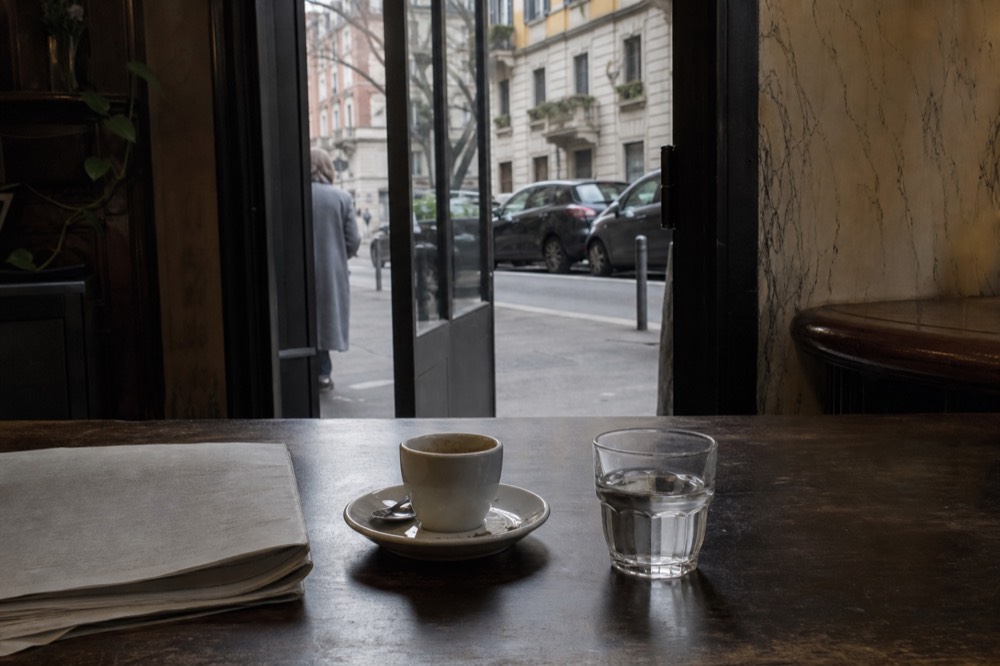
Before 11 am, cappuccino or caffè latte with a cornetto or other pastry is completely standard, for locals and visitors alike. From late morning through the afternoon, the default is espresso, "un caffè", or its variants: macchiato, corretto, decaf. After dinner, espresso only, and never milky coffee. The macchiato, an espresso stained with a drop of milk, is the closest thing to a permitted compromise later in the day.
The table below is the working version of the rule as it plays out at a Milan bar. It is a convention map, not a rulebook, and the boundaries are soft: 11 am is a guide, not a switch that flips.
| Time of day | What locals order | What it signals | Visitor-safe choice |
|---|---|---|---|
| 7-11 am | Cappuccino or caffè latte, often with a cornetto | Breakfast, or standing in for it | Cappuccino, no questions asked |
| 11 am-noon | Espresso, macchiato | Transition hour; a late cappuccino is tolerated | Macchiato |
| Lunch, straight after | Espresso, sometimes corretto | Closing the meal | Espresso, or caffè corretto if you want the grappa |
| Afternoon, 3-6 pm | Espresso, or nothing | A pause, often social | Espresso or cappuccino if you accept the raised eyebrow |
| After dinner | Espresso, ristretto | Ending the evening | Espresso; a cappuccino here is the one true oddity |
Two refinements are worth knowing. The ristretto, a shorter, more concentrated pull, is for people who find a normal espresso already too watery, and ordering one marks you as someone who has done this before. The caffè corretto, an espresso corrected with a splash of grappa or sambuca, is a real end-of-meal tradition, especially in the colder months, though it is more of a lunchtime-and-evening drink than a breakfast one.
Why Does The Same Coffee Cost More At A Table?
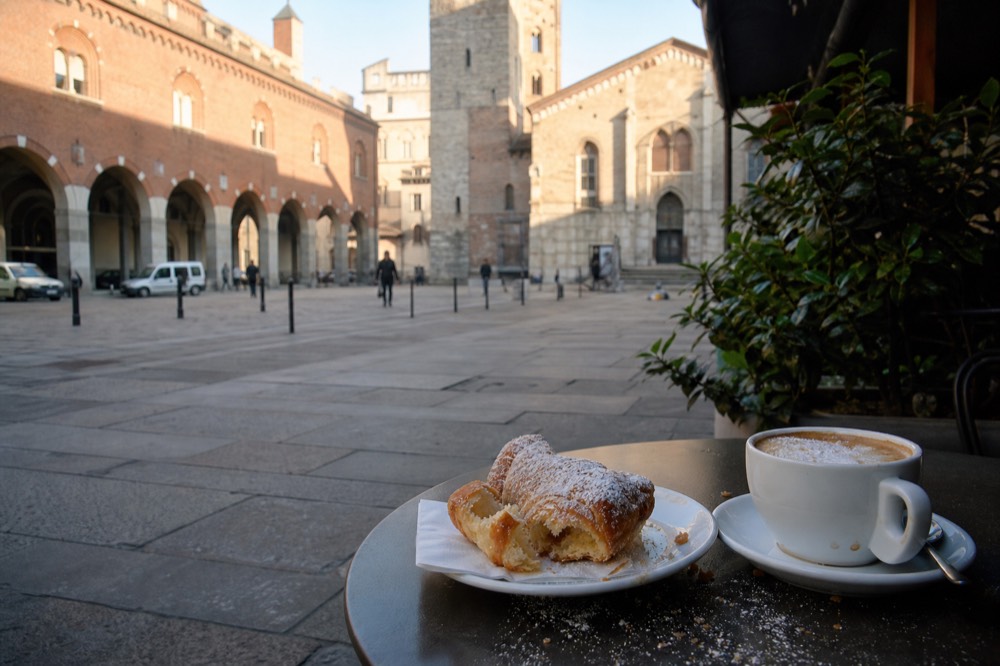
In most Italian bars, the printed price at the counter is the base price, and sitting at a table adds a cover or service charge, with outdoor terrace seating costing more still. The legal basis is the listino prezzi, the price list every bar must display, usually with two or three columns: al banco, at the counter, alla tavola, at the table, and sometimes fuori or terrazza. The gap is legitimate and itemised, not a tourist scam.
This is the part of the coffee rule that has actual paperwork behind it, and it is the one that catches visitors off guard. You order the identical espresso at the identical bar, but where you drink it changes the bill. The price list is posted by law, typically near the register or the entrance, and if you want the cheap price you stand at the counter with everyone else, drink your coffee in a few sips, and leave.
The size of the gap varies by venue and no single citywide figure is published, so treat any number you read online as an approximation. What is documented in Milan is how wide venue-tier pricing runs for the drink culture around coffee: in Corriere della Sera's 2025-2026 price reporting, a spritz cost EUR 3.50 at Picchio and EUR 4 with a mini buffet at Rondo in the Nolo area, EUR 8 at Base in Tortona, EUR 9 at Montalcino Caffe on the Naviglio Grande, and EUR 21 at Terrazza Aperol by the Duomo. The same spread logic applies to coffee: location, seating and view are what you are paying for, not a different bean.
| Where you drink it | What you pay | Why | Best for |
|---|---|---|---|
| Standing at the counter (al banco) | The base list price | No service, no table occupied | Locals, quick stops, the authentic rhythm |
| Seated inside (alla tavola) | Base price plus servizio, often doubling it | Table space and table service | Lingering, reading, working |
| Terrace or piazza seating (terrazza) | The highest tier | The view, the prime real estate | One splurge on a sunny day, then back to the counter |
The counter habit is also the fastest way to feel like a local, and it is the reason Italian bars can serve espresso at prices that would shock a visitor only ever sitting down. Pay first at the register in many bars, take the receipt to the counter, and drink where you stand. In busier bars you simply order and pay at the counter; watch what the person ahead of you does.
The patisserie tour is built around exactly this culture, and it is the one walk on the roster that puts the coffee ritual in its native setting, the morning pastry counter:
What Phrases Actually Work At A Milan Bar?
The core phrase is "un caffè, per favore", which means an espresso, not a filter coffee. For milk, ask for "un cappuccino" before 11 am. "Un caffè macchiato" gets you an espresso with a drop of steamed milk, "un caffè corretto" one with a spirit, and "un deca" a decaf. Pay attention to one trap: "un latte" on its own gets you a glass of milk, because latte is simply the Italian word for milk.
The language is the last layer of the rule, and it is where most order-desperation stories come from. Italians do not say espresso in daily life; they say caffè, and the barista understands espresso by default. Filter coffee, the American-style pot brew, barely exists in the traditional bar; if you want something longer and weaker, "un caffè americano" is an espresso topped up with hot water, and it is widely understood.
| You say | You get | When to use it |
|---|---|---|
| Un caffè | A single espresso | Any time of day, the universal default |
| Un cappuccino | Espresso with steamed milk, in a large cup | Before 11 am |
| Un caffè macchiato | Espresso stained with a drop of milk | Any time, the all-day milk compromise |
| Un caffè corretto | Espresso with a splash of grappa or sambuca | After lunch or dinner |
| Un deca | Decaffeinated espresso | Evening, or anytime |
| Un caffè americano | Espresso lengthened with hot water | When you want something longer |
| Un latte | A glass of milk | Almost never what a visitor means |
| Un cornetto | A croissant, sweet or plain | With morning coffee |
One Milan-specific note: the baristas in the Galleria and around the Duomo deal with tourists all day and will meet you halfway in English, but the phrases above cost nothing to learn and change the whole interaction. In neighborhood bars in Navigli or Isola, they matter more. And the standing rule applies to language too: say it at the counter, briefly, the way locals do. A long negotiation of milk percentages and syrup options is the one thing that genuinely puzzles an Italian barista, because the menu in their head has about eight items and all of them are variations on one drink.
How Does Milan's Bar Culture Fit Into The Coffee Rule?
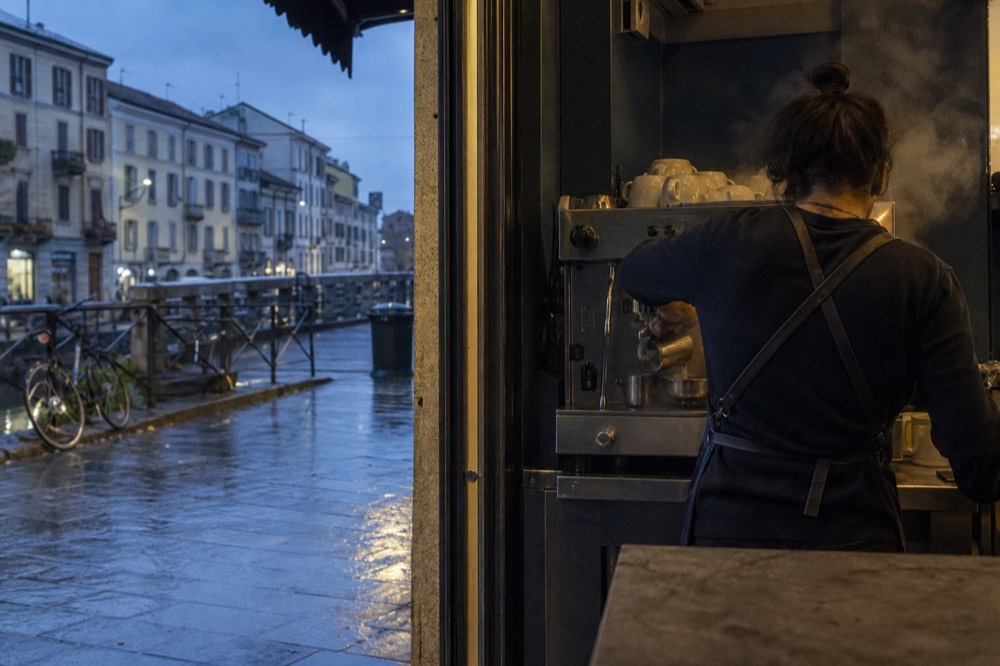
Milan gives the coffee rule a specific stage: the historic counter. Camparino in Galleria, open since 1915, ranked 18th in Europe's 50 Best Bars 2026, and the World's 50 Best Bars awards ceremony comes to Milan's Palazzo del Ghiaccio in early October 2026, per the official announcement. A city whose bars win continental awards is a city where the counter ritual is close to a civic institution, and the coffee rule is one strand of it.
The aperitivo side of the bar, covered in our guide to aperitivo in Milan, is the evening half of the same culture. Coffee is the morning and midday half. What joins them is the counter: the Italian bar is designed for brief, upright consumption, and the price structure we described above is the financial expression of that design. When you understand that the bar is a machine for short visits, both the coffee rule and the standing-price rule stop being quirks and start being architecture.
For visitors who want to experience the sweet side of that culture, the chocolate factory visit is another angle entirely: Enrico Rizzi's Fabbrica del Cioccolato runs a 1-hour tasting tour from $35 per person, rated 4.6 across 68 reviews, and pairs naturally with an espresso stop nearby:
What Happens If You Break The Coffee Rule?
Almost nothing, and that is the honest answer. A cappuccino ordered after dinner in Milan gets you the cappuccino, possibly a faint pause from the waiter, and zero consequences beyond the bill. The rule's power is social, not legal: it signals whether you know the local rhythm. Locals notice the timing of your order the way they notice shoes with socks, and then they move on. Breaking it costs you nothing but the nod.
There is a subtler cost, though, and it is worth naming. If you drink only table-service cappuccinos at 4 pm in tourist-zone cafes, you will pay terrace prices for a drink that costs a fraction at the counter, and you will experience a version of Milan built entirely for visitors. The rule, once learned, is really an invitation: stand at the bar, order the two-word drink, pay the local price, and be part of the room for three minutes. That is the whole ritual, and it is one of the cheapest authentic experiences in the city.
So treat the coffee rule as a doorway rather than a fence. Morning cappuccino at the counter with a cornetto, espresso after lunch, espresso after dinner, and the price list on the wall as your guide to where to drink each one. If you want a fuller picture of how Milan eats around its coffee hours, Milan Food Tours covers the city's food culture from markets to pastry counters in depth.
Before the closing questions, here again are the three walks that put the rule in context, from the pastry counter to the chocolate factory:
The short answers: milky coffee is for the morning, espresso is the all-day default, the counter is the cheap and local place to drink it, and "un caffè" is the phrase that gets you an espresso anywhere in Milan. The questions below cover the specifics, from the legality of the cappuccino rule to what "un latte" actually means when you say it at the bar.
Common Questions About The Coffee Rule In Italy
What Is The Coffee Rule In Italy?
The coffee rule is the convention that milky coffees like cappuccino and caffè latte are for the morning, before roughly 11 am, while espresso, ordered as "un caffè", is the all-day and after-dinner default. It is a social custom, not a law, and no barista will refuse you, but following it signals that you understand the local rhythm.
Can I Order A Cappuccino After Lunch In Italy?
Yes. Nobody will stop you, and in Milan's tourist areas it is routine. Italians consider a large amount of hot milk heavy on a full stomach, which is why they switch to espresso after a meal, but the choice is yours. Expect at most a raised eyebrow or a confirming question from the waiter.
Why Is Coffee Cheaper At The Bar Counter?
Italian bars display a price list, the listino prezzi, with separate columns for counter, table and sometimes terrace service. Standing at the counter pays the base price; sitting adds a service charge, and a terrace seat costs most. The gap is itemised and legal, not a tourist surcharge.
What Do I Say To Order An Espresso In Milan?
Say "un caffè, per favore". In Italy caffè means espresso by default, so the word espresso is rarely needed. Add "macchiato" for a drop of milk, "corretto" for a splash of spirit, or "deca" for decaf. Saying "un latte" on its own will get you a plain glass of milk.
Is A Caffè Americano The Same As Filter Coffee?
No. An americano in Italy is an espresso topped up with hot water. Traditional bars do not brew pot filter coffee, so the americano is the closest equivalent, and it is understood everywhere in Milan.
Do Italians Drink Coffee All Day?
Many do, in small doses. Espresso punctuates the Italian day: one to start, one after lunch, one in the late afternoon, sometimes one after dinner. The quantity per cup is tiny, so several a day is normal. The only drink with a time limit is the milky one, and even that limit is soft.