What Is The Pizza Rule In Italy?
The real Italian pizza conventions, the folklore, and how Milan actually treats knife-and-fork, one-pizza-per-person and topping rules.
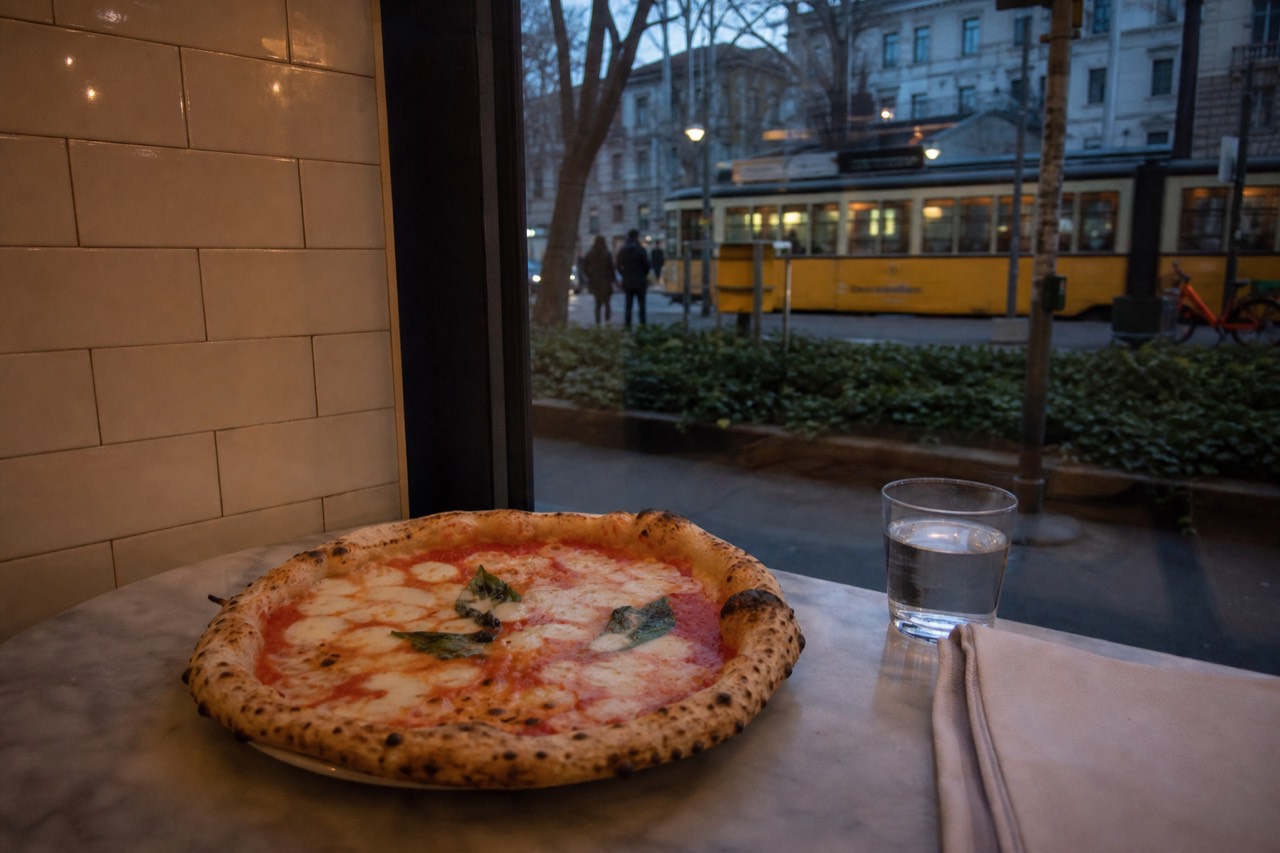
What Is The Pizza Rule In Italy?
There is no single pizza rule in Italy: there is a set of unwritten conventions, a small amount of real law about product names and ingredients, and a thick layer of tourist folklore layered on top of all of it. The conventions that actually matter are simple: one pizza per person, eaten hot and whole, with toppings that stay close to the Italian repertoire. Nothing in Italian law forbids pineapple or chicken on pizza, and no waiter will refuse you a knife and fork. Milan, in particular, is more relaxed about all of it than guidebook forums suggest.
The phrase "the pizza rule" circulates mostly in English. Italians do not use it. When Romans or Neapolitans talk about pizza norms, they talk about specific habits: eating it with a knife and fork in a sit-down pizzeria, folding a slice by the crust only when eating al taglio standing up, and never asking for a pizza split in half for two people. Those are customs with regional logic behind them, not regulations.
The confusion between convention, law and myth is worth untangling, because travellers arrive in Milan bracing for rules that do not exist while missing the two or three that quietly do. The law part is narrow: Italy does regulate what certain foods can be called, the way a 2005 ministerial decree defines what may legally be sold as panettone, down to minimum butter, yolk and candied-fruit percentages. Pizza has no equivalent national decree. What pizza has instead is a strong tradition of Neapolitan craft, protected at UNESCO level not as a recipe but as an art: the Pizzaiuolo Napoletano was inscribed on UNESCO's Intangible Cultural Heritage list in 2017, recognising the dough-turning skill, not policing your toppings.
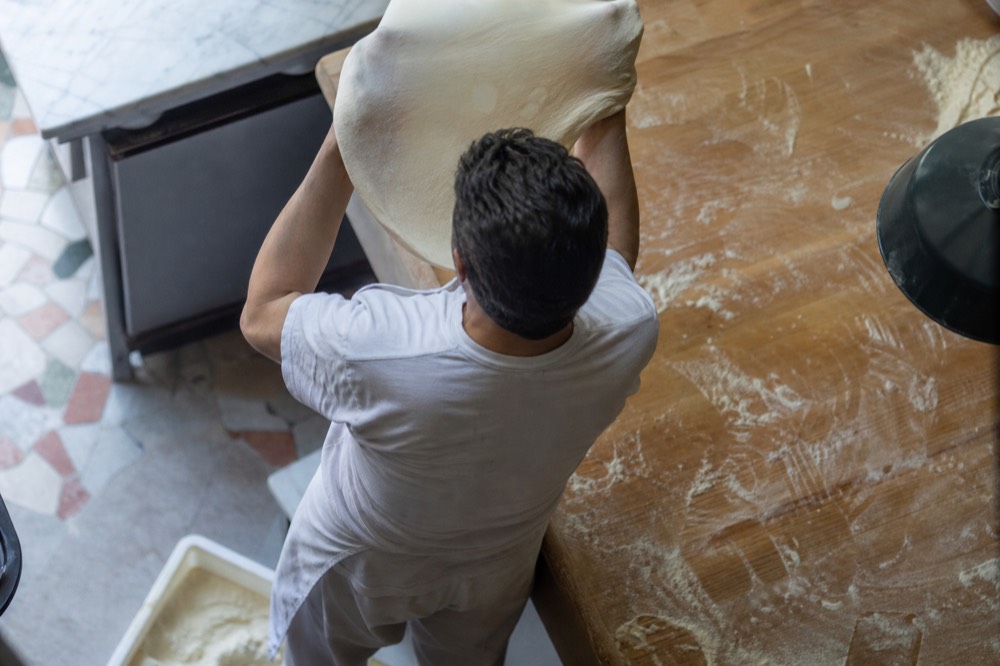
Milan sits at the relaxed end of the spectrum. The city's own food identity is risotto, cotoletta and panettone, not pizza, so it treats pizza as a beloved import rather than a matter of civic honour. You will find Neapolitan-style pizzerias, Roman al taglio counters, and Milan's own thick-crust tradition all trading happily, and a street-food scene on Via Paolo Sarpi where Corriere della Sera counted 112 new food enterprises registered since early 2024, many of them selling pizza in forms Naples would not recognise.
If you want to see how Milan actually eats, a guided walk is the low-effort way in. The 2.5-Hour Street Food Walk by Pink Umbrella Tours runs from $57 per person, is rated 4.7 across 934 reviews, and covers the classic Milanese street snacks with a guide who will happily explain which rules locals follow and which they laugh at. Our Milan street food guide covers the same ground for independent eaters.
Which Pizza Rules Are Actual Law, And Which Are Just Convention?
Almost nothing about pizza etiquette is actual law. The only binding rules in this space concern what certain product names legally mean, such as protected designations for specific styles, while pizza itself is barely regulated at all. Nearly everything else people treat as pizza law, from topping choices to eating methods, is simply convention or tradition rather than anything enforceable. The panettone decree of 22 July 2005, published in Gazzetta Ufficiale n. 177, is the model case: it reserves the name panettone for a naturally leavened product with at least 16% butterfat, 4% yolk and 20% raisins and candied citrus. Pizza has no such decree. There is no Italian statute banning pineapple, chicken or ketchup, and no legal penalty for cutting a pizza into slices for the table.
The distinction matters because tourists often behave as though a waiter might invoke the law. He cannot. What he can do, and occasionally will, is look mildly pained, because the conventions are social rather than legal. The table below separates the three categories so you know exactly what you are dealing with.
| Claimed rule | Category | What it actually is |
|---|---|---|
| "It is illegal to put pineapple on pizza" | Myth | No Italian law regulates pizza toppings; it is purely a matter of taste |
| "You must eat pizza with a knife and fork" | Convention | Normal in sit-down pizzerias, optional, and nobody will intervene |
| "One pizza per person is required" | Convention | Standard ordering practice; sharing is unusual but not forbidden |
| "No cappuccino after noon" | Convention | A habit, not a rule; see our coffee customs coverage |
| "Only the name panettone is legally defined" | Law | The 2005 decree fixes ingredients for the sale name panettone |
| "Neapolitan pizza-making is UNESCO protected" | Law-adjacent | UNESCO inscribed the pizzaiuolo's craft in 2017, not a recipe or topping list |
The panettone comparison is the clearest way to see how Italy actually legislates food. When the state cares, it writes a decree and publishes it in the official gazette, as it did for panettone and pandoro. When it does not care, it stays silent, and pizza toppings fall squarely in the silence. The city of Milan's own food-designation register, the De.Co., recognises risotto alla milanese, cotoletta, panettone and michetta among its entries, and added Pan de Mej in 2026. Pizza appears nowhere on it. Milan protects its own dishes and leaves pizza etiquette to Naples and to common sense.
One genuinely new piece of context: on 10 December 2025, Italian cuisine as a whole was inscribed on UNESCO's Intangible Cultural Heritage list, the first entire national cuisine to receive the designation, by unanimous decision of the committee in New Delhi. That recognition covers the tradition of cooking and transmission, not a rulebook. It is a reason Italians care about food norms, not a mechanism for enforcing them on visitors.
Knife And Fork Or Hands: What Does Milan Actually Do?
In a sit-down Milanese pizzeria, the default is a knife and fork, and nobody comments either way; eating with your hands is acceptable but slightly marked, and folding a slice is reserved for al taglio pizza eaten standing up. The fork convention is practical rather than sacred: a proper Neapolitan pizza in Milan arrives soft-centred and wet in the middle, and lifting a whole triangle by the crust dumps the topping. Locals cut inward from the point, and tourists who pick the whole thing up are tolerated with the same mild amusement anywhere in Italy.
The regional nuance is real. In Naples, eating a whole pizza with hands is more accepted because the pizza is designed for it, with a sturdier cornicione. In Milan, the pizzerias are largely Neapolitan-style or Roman-style, and the fork is simply the path of least mess. The one genuinely odd look you might get is asking for a takeaway box for half a pizza at a sit-down restaurant: it happens, it is increasingly common, and some traditionalists still find it strange. That is the honest ceiling of enforcement in Milan. A look, not a refusal.
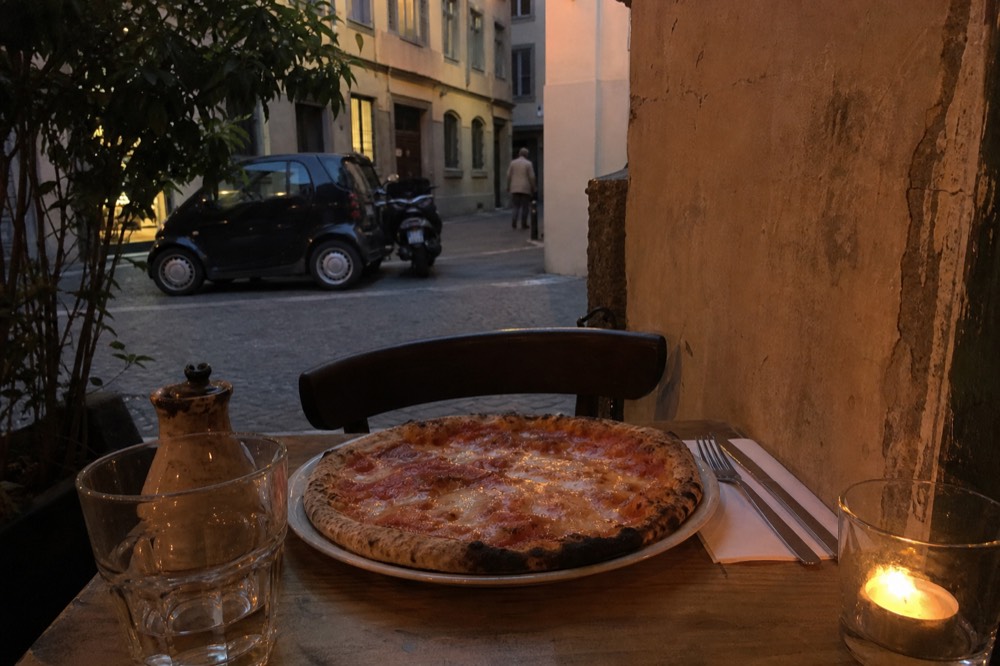
What actually draws a reaction in Milan is timing and pace, not cutlery. Ordering a pizza at 6 pm marks you instantly, because Milanese dine late and pizzerias fill from 8 pm onward. Ordering a cappuccino with your pizza is harmless; ordering it after the pizza, as a digestif, is the one beverage habit that reliably raises an eyebrow. For the wider picture on ordering, our piece on what not to order in Italy covers the coffee and timing customs in depth, and this article deliberately stays on pizza.
The evening also has a legal edge worth knowing, and it is one of the few places where actual law touches your pizza night. Milan's 2026 movida ordinance bans the takeaway sale of alcohol from midnight and retail sale from 22:00 in twelve nightlife zones including Navigli, Brera and Isola, per the Comune's own announcement. It does not restrict pizza, but it does shape the late-night slice-and-drink plan in those districts.
One Pizza Per Person, No Pineapple, No Chicken: How Strict Is It Really?
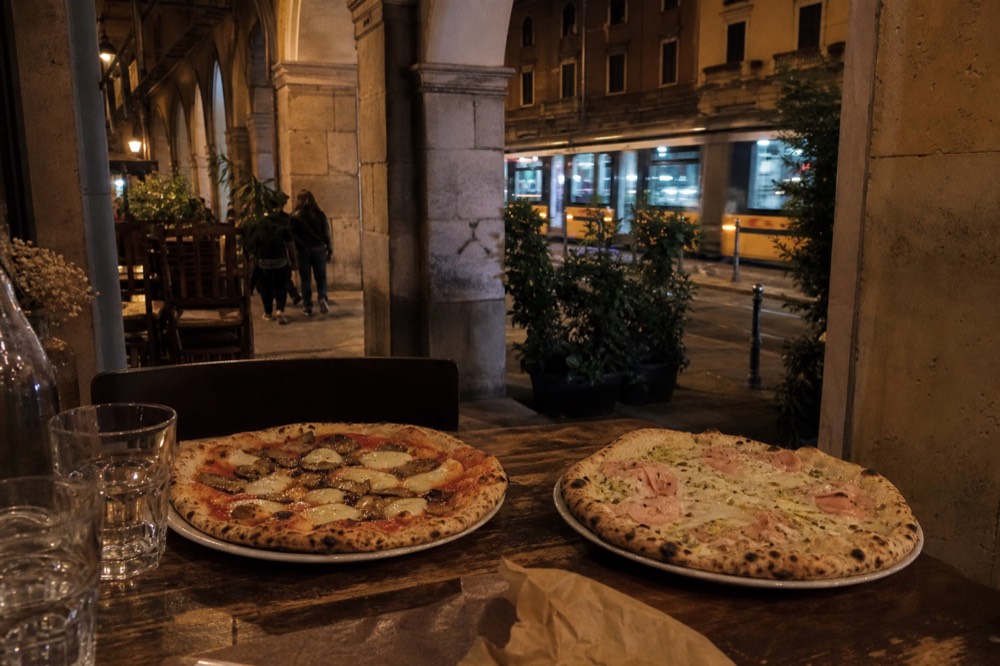
One pizza per person is a real and widely observed convention, so plan to order your own pie rather than share. The topping rules, by contrast, are more folklore than law: they reflect genuine Italian tastes, but you will not be scolded for breaking them, and in Milan nobody objects in any meaningful way when you do. The single-pizza norm exists because a whole pizza is considered a complete individual portion, like a plate of pasta. Asking to split one margherita between two adults at dinner reads as odd in the same way splitting a single plate of spaghetti would, and the fix is easy: order a second pizza or supplement with antipasti. Children splitting a pizza draws no comment at all.
Pineapple and chicken deserve their honest treatment. No law bans either. The aversion is aesthetic and cultural: Italian pizza culture prizes a short, legible ingredient list where each topping earns its place, and sweet fruit on hot cheese reads as a category error to most Italians, while chicken is seen as a main-course meat that does not belong on bread. Milan, being a business city full of international residents, quietly serves both in places, particularly in the Chinatown and NoLo districts where the street-food boom has loosened every old rule. Nobody will refuse your order in a Milan pizzeria, though a traditional Neapolitan menu simply will not list the option.
The second table sets the claimed rule against the reality and against Milan's specific behaviour, which is the practical answer most visitors want.
| The claimed rule | The reality | What Milan does |
|---|---|---|
| One pizza per person | A real convention; portions are sized as complete meals | Followed in traditional pizzerias, relaxed in al taglio spots |
| Never eat pizza with hands | Regional habit; fork is default at sit-down places | Fork is common, hands draw no comment |
| No pineapple | Folklore as taste, not law | Rarely on menus, occasionally available in international-leaning spots |
| No chicken topping | Same: cultural preference only | Appears in fusion and street-food contexts without scandal |
| No ketchup on pizza | Considered an insult to the tomato sauce, socially | Provided for children without drama in many places |
| Do not order pizza at lunch | False; pizza al taglio is a standard lunch | Milan's al taglio counters do their best trade at noon |
Milan's own pizza identity is also worth a sentence, because it complicates the "rules" story. The city is known for a thicker-crusted, more bready pizza than Naples or Rome, and its pizzerias range from strict Neapolitan craft operations to by-the-slice counters near the universities. Our guide to pizza in Milan maps the styles and where to eat each one.
Where Can You Make The Pizza Yourself And Break Your Own Rules?
A hands-on pizza cooking class is the one place where every rule dissolves, since you stretch your own dough and top it however you like. Milan offers several class formats, with prices ranging from $39 to about $87 per person, so you can pick the session that fits your budget and still break every pizza rule you know. When you are the pizzaiuolo, pineapple is between you and your oven. The classes also teach the conventions properly, which is the irony: you learn exactly why Italians keep toppings short and dough hydrated, then decide for yourself whether to respect the logic.
The best-value pizza-specific option is the Pizza With Unlimited Gelato Option class by Towns of Italy, a three-hour session inside Mercato Centrale that includes the meal and wine, from $65.28 per person, rated 4.9 across 954 reviews. The listing shows it is booked 36 days ahead on average, so it rewards early planning. Check availability alongside our cooking classes in Milan guide.
For a broader kitchen session that still ends in a shared meal, the 3-Hour Cooking Class, Wine Included by CHEF AND THE CITY runs from $39 per person and is rated 4.7 across 578 reviews, with free cancellation up to 24 hours. It is the cheapest full cooking experience on the Milan roster and covers pasta alongside other fundamentals, which pairs well with the pizza class for a two-evening food education.
A third route is to skip the kitchen and eat your way through the conventions with a guide. The Food Walk With City Sightseeing by Tours of Milan, from $49.69 per person and rated 4.6 across 26 reviews, mixes tastings with the Duomo-adjacent streets, so you see how central Milan actually serves pizza and street snacks to locals and visitors side by side. Free cancellation up to 24 hours applies across the whole roster except one home-dinner experience, which is worth remembering if your plans are loose.
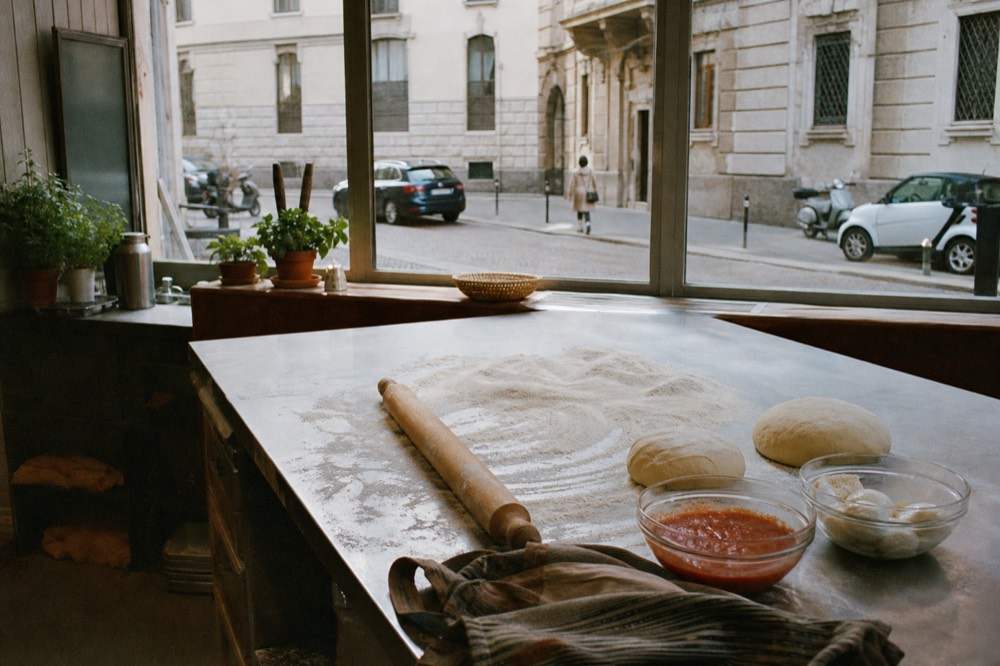
The class route also explains the rules better than any forum thread. An instructor will show you the dough hydration, the two-minute oven turn, and the reason a margherita has three ingredients and not nine. Once you have handled the dough, the conventions stop feeling like arbitrary gatekeeping and start feeling like craft decisions, which is the honest answer to what the pizza rule really is: a set of craft norms Italians would love to explain to you over a shared table, as Milan Food Tours keeps finding on every walk and class in the city.
The short answers: there is no law on toppings, the fork is optional, one pizza per person is the only convention worth following, and Milan is far more relaxed than the internet claims. The questions below cover the specifics visitors ask most often, from pineapple legality to where you can make a pizza yourself and break every rule at once.
Common Questions About Pizza Rules In Italy
What Is The Pizza Rule In Italy?
There is no single rule. Italy has a set of pizza conventions, chiefly one whole pizza per person and a short, traditional topping list, plus real law only about product names like panettone. Topping bans such as no pineapple are cultural preferences, not regulations, and Milan enforces none of them beyond a raised eyebrow.
Is It Illegal To Put Pineapple On Pizza In Italy?
No. No Italian law regulates pizza toppings. The aversion is a matter of taste and tradition. You will simply struggle to find pineapple listed on a traditional menu, especially in a Neapolitan-style pizzeria, rather than being refused service.
Do Italians Eat Pizza With Their Hands?
Often, but context decides. Pizza al taglio bought at a counter is routinely eaten with hands, folded by the crust. In a sit-down pizzeria, especially with a soft Neapolitan-style pizza, a knife and fork is the practical default, and Milanese diners switch between both without ceremony.
Is One Pizza Per Person Really Expected?
Yes, this is the one convention worth following. A whole pizza is treated as an individual portion, like a plate of pasta. Two adults splitting one pizza at dinner reads as unusual; supplementing with antipasti or ordering a second, smaller pizza is the normal workaround.
Will A Milan Waiter Actually Say Anything If I Break A Pizza Rule?
Almost never. Milan is more relaxed than the internet suggests. The worst realistic outcome is a mild look, most likely for ordering a cappuccino after your pizza or asking to split one pizza two ways at dinner. Requests like ketchup for a child are handled without drama in many places.
Where Can I Learn To Make Pizza In Milan?
The Pizza With Unlimited Gelato Option class by Towns of Italy runs three hours inside Mercato Centrale from $65.28 per person, rated 4.9 across 954 reviews, and includes the meal and wine. It is the most pizza-focused option on the roster and the one place you can top your own pizza however you like.