Mercato Centrale Milano: Food Hall Guide & Honest Review (2026)
Mercato Centrale is the 4,500-square-metre food hall inside Milano Centrale station. It's open every day, no booking needed, and the on-site cooking school runs hands-on pasta classes. But a 2026 health inspection shut it down for weeks. Here's exactly what you need to know before you go.
Short answer
Mercato Centrale Milano is a 4,500-square-metre food hall inside the central railway station, open daily from 6:30am to 11pm. It houses 27 food stalls, including the on-site Towns of Italy cooking school. While it was temporarily closed in February 2026 after a health inspection, it has since reopened with most vendors. Expect a lively atmosphere and food quality that ranges from good to excellent.
What Is Mercato Centrale Milano?
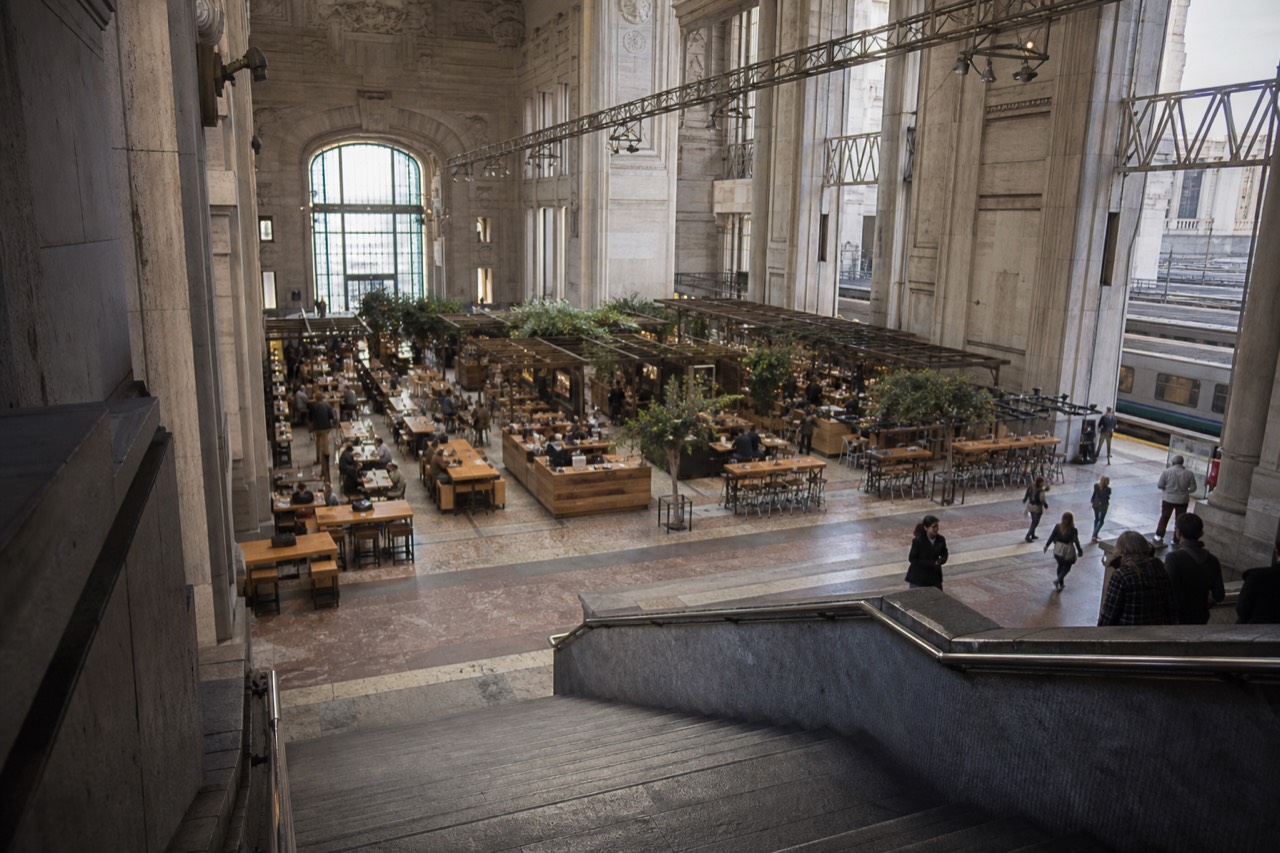
Mercato Centrale is a 4,500-square-metre food hall on the ground floor and first floor of Milano Centrale railway station, open daily from 6:30am to 11pm. It works like a relaxed food court: you buy food and drinks from the individual botteghe, find a seat at any of the shared tables, and stay as long as you like. There is no booking system, no minimum spend, and the station concourse is literally a flight of stairs away.
The address is Via Sammartini, angolo Piazza Quattro Novembre, 20125 Milano. You can reach it from the station’s main ticket hall: take the escalator or stairs down to the ground floor, and you’ll see the enormous glass entrance. The hall is flanked by the departures and arrivals zones, so it’s a natural place to eat if you have a train to catch or are just arriving. The market stretches over two levels, with the mezzanine offering extra seating and a view over the main floor. This is the Mercato Centrale chain's Milan food hall, inside Milano Centrale station, and it's become a fixture of the Milan food scene. For more on the city's eating scene, see our Milan Food Tours guides, and for a deeper dive into the city's signature dishes, read our guide to what to eat in Milan.
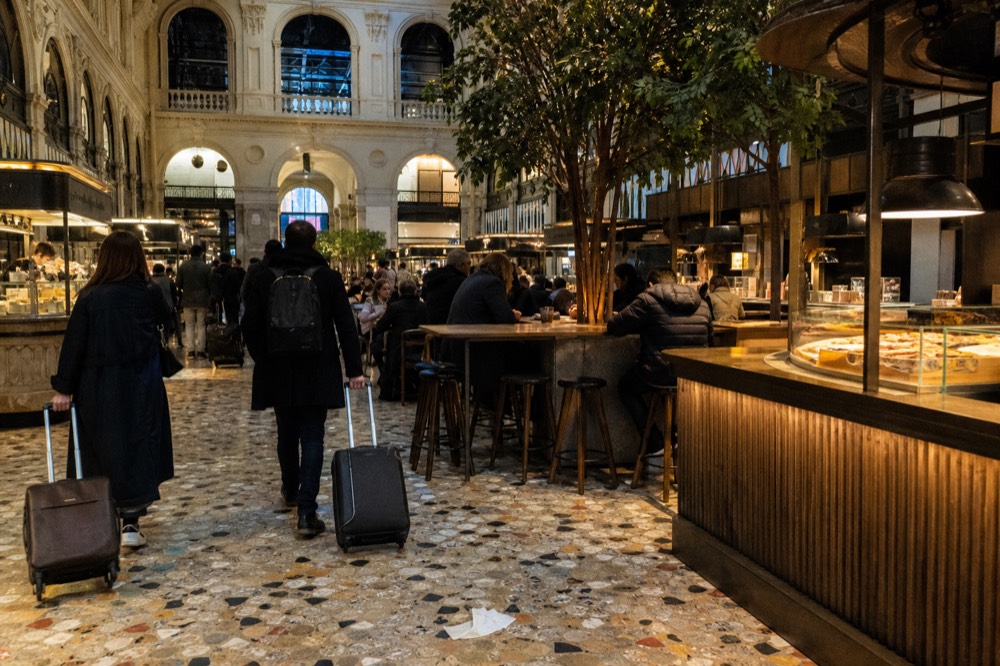
The interior is designed to feel like a traditional Italian market, with high ceilings, warm lighting, and stalls arranged around a central seating area. You’ll find everything from fresh pasta and pizza to seafood, pastries, and wine. The market is particularly busy at lunchtime and early evening, when commuters and travellers mix with locals who work nearby. If you’re looking for a quick bite before boarding a train, this is the most convenient option in the station. The hall also hosts special events and seasonal menus, but the core offering remains the everyday food counters. One thing that sets it apart from many station food courts is the quality of the vendors: several are run by well-known Milanese bakers, butchers, and fishmongers, not faceless chains.
| Detail | Information |
|---|---|
| Address | Via Sammartini, angolo Piazza Quattro Novembre, 20125 Milano |
| Hours | Daily 6:30am – 11:00pm |
| Phone | +39 02 3792 8400 |
| Public transport | Metro M2/M3 Centrale FS; trams 5, 9, 10; buses 42, 56, 58, 90, 91, 92 |
| Seating | Open seating, no reservations |
| Closest exit from station | Exit to Piazza IV Novembre (ground floor, near the pharmacy) |
Is It Expensive To Eat At The Mercato Centrale?
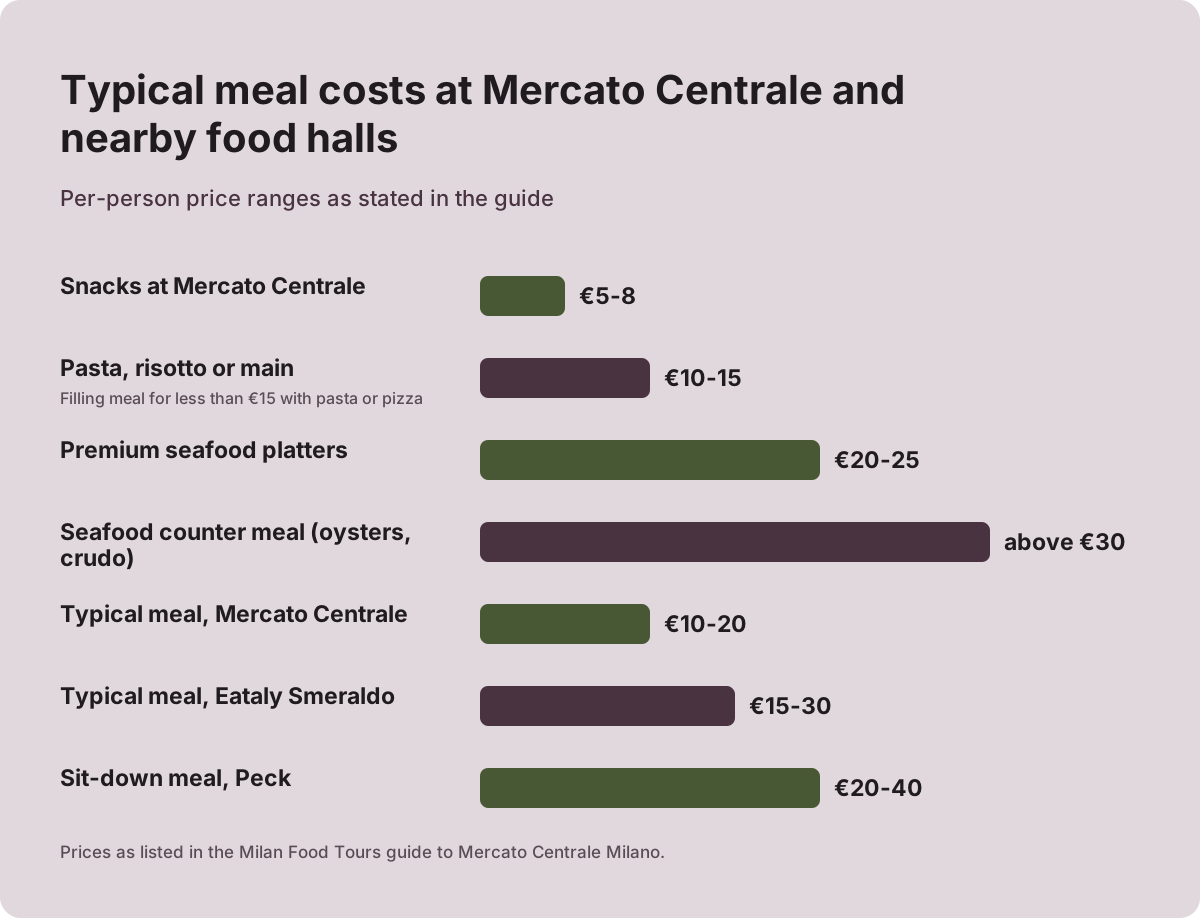
It is not a budget street food market, but it is not overpriced for a city-centre food hall; expect to spend around €10-15 for a plate of fresh pasta, risotto, or a main from a quality butcher, with simple snacks from €5-8 and premium seafood platters pushing €20-25. For the same price as a casual trattoria, you get a lively, no-commitment meal in a historic station.
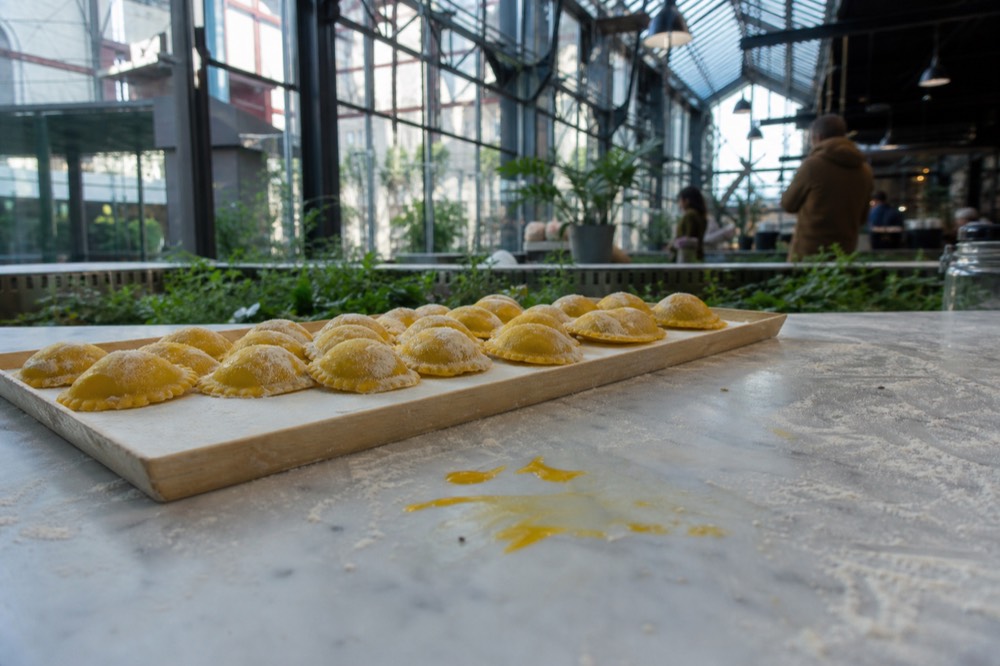
The market doesn’t publish a central price list, but each stall displays its menu. You can eat a filling meal for less than €15 if you pick a pasta course or a pizza, and there are also cheaper options like focaccia, arancini, and pastries. On the other hand, the seafood counter (run by Pescheria Pedol, a well-known fishmonger from the Wagner market) sells oysters and crudo that can push a meal above €30. The sweet stands, run by historic Milanese names like Martesana, are a good place to pick up a pastry and an espresso for under €10. Overall, the prices are in line with a mid-range trattoria in the city centre, but you are paying for the atmosphere and the convenience of eating inside the station.
For comparison, the on-site cooking class starts from $65.28 per person, which includes ingredients, instruction, and a full meal, so if you want a more hands-on experience, the cost can be similar to a sit-down dinner plus a class. The market’s price range is not uniform across all stalls: the bakery and pastry counters are the cheapest, the pasta and pizza counters are mid-range, and the seafood and premium meat counters are the most expensive. This range means you can tailor your visit to your budget. Many visitors grab a cheap snack on the go, while others sit down for a full meal with wine. The market accepts card payments at most stalls, though it’s always wise to carry some cash for small purchases.
What Happened With The ATS Inspection In 2026?
In February 2026, an inspection by the local health authority (ATS) found cockroaches, leading to the suspension of 17 of the 27 food activities. The entire market was closed for extraordinary cleaning and reopened progressively over the following weeks, with well-known stalls like Martesana, Bastianich, and Pedol returning. The incident was widely reported in the Milanese press, and the market has since reopened progressively.
The inspection took place on 22 February 2026, and the suspension was immediately reported by MilanoToday and Corriere della Sera. According to the reports, the ATS ordered the closure of the food area after finding infestanti in several parts of the market. The management closed the entire hall for a deep clean, and stalls began reopening in stages from late February. By early March, most of the popular vendors were back in business. The episode was a serious one, but it is also the kind of event that can happen in any large food hall, and the authority’s swift action and the market’s thorough cleaning suggest it was taken seriously. We are not going to tell you whether to eat there or not; that is a personal decision.
The February incident is now part of the market’s recent history, and the management has been transparent about the cleaning process. Several vendors, including the pastry shop Martesana, the wine bar Bastianich, and the fish counter Pedol, returned quickly after the reopening. The market closed for extraordinary cleaning after the February 2026 inspection and has reopened progressively. If you’re planning to eat there, it’s reasonable to check the latest news before your visit, as you would for any public food venue. The fact that this information is publicly available and that the market took the closure seriously is, in some ways, a sign of accountability. However, the episode does highlight the challenges of running a high-volume food hall in a busy transit hub.
The Cooking School Inside Mercato Centrale
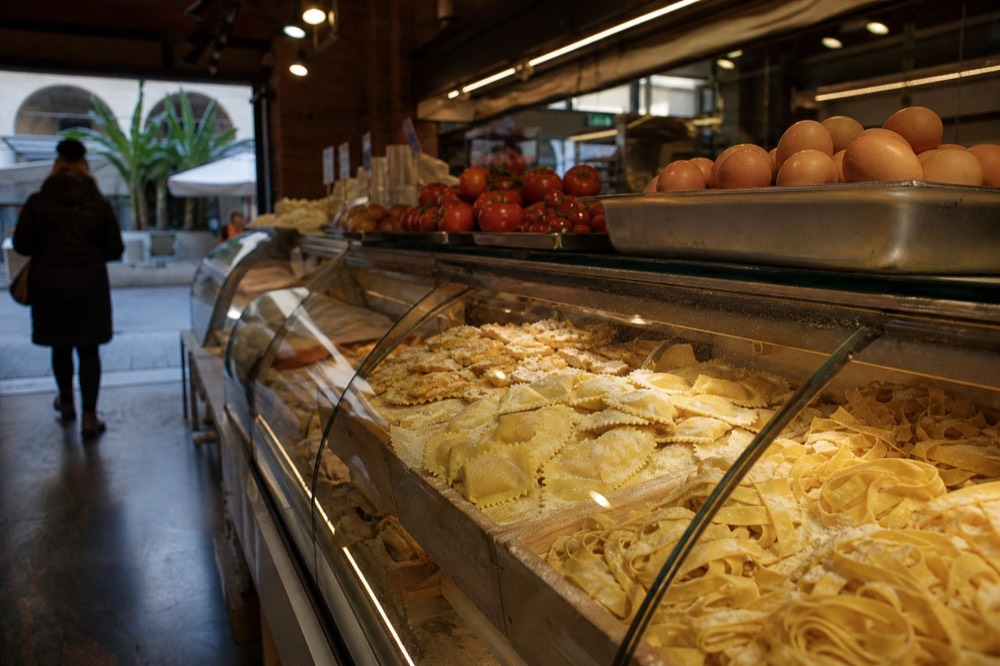
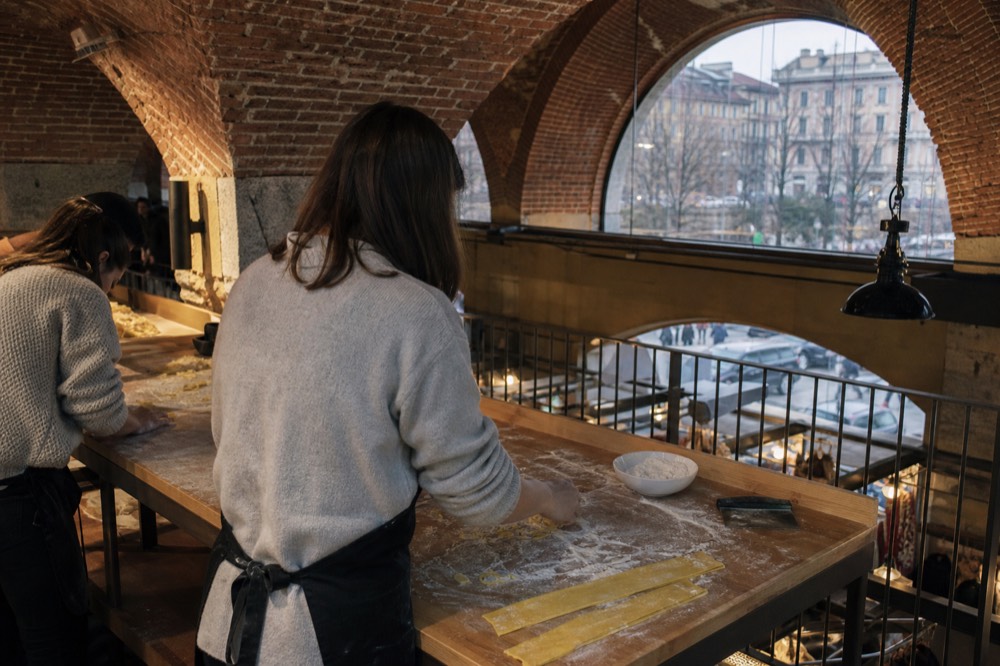
The Towns of Italy cooking school occupies a dedicated space on the first floor of Mercato Centrale, offering hands-on pasta, pizza, and tiramisu classes several times a day. The classes are small-group, last about three hours, and include all ingredients and a meal of what you cook. It is the easiest way to combine a food-market visit with a practical Milanese cooking experience.
The school is operated by Towns of Italy, a well-established cooking school with a prime location inside the market. The most popular class is the "Pizza & Unlimited Gelato or Pasta & Tiramisu" option, which lets you choose your focus. From $65.28 per person, it’s one of the more affordable cooking classes in Milan, and it comes with free cancellation up to 24 hours before. The class is rated 4.9 out of 5 across 954 reviews, and the listing notes it’s booked an average of 36 days in advance, so it’s wise to check availability early. The meeting point is the school’s own space on the first floor of Mercato Centrale, so you can literally walk in from the market floor. The school also runs other classes, including pizza and unlimited gelato, which are popular with families and groups.
| Tour | Price from | Rating | Reviews | Duration | Type |
|---|---|---|---|---|---|
| Pizza, Gelato or Pasta & Tiramisu Class | $65.28 | 4.9 | 954 | 3 hours | Cooking class inside the market |
| Market Tour Plus Cooking Class (Cesarine) | $223.61 | 4.8 | 11 | 4 hours 30 minutes | Market walk + home cooking |
| Patisserie Sweets Walk | $65.07 | 4.8 | 59 | 2 hours 30 minutes | Guided patisserie tour |
These three tours are all tied to the market and its surrounding food scene. The first is the class inside Mercato Centrale itself; the other two are guided tours that take you to markets and patisseries across Milan. If you want to explore beyond the station, the Cesarine market tour pairs a local market visit with a private cooking class in a host’s home, while the patisserie walk is a lighter, sweet-focused experience. Each has free cancellation up to 24 hours before, except where noted.
The pizza and gelato option is especially good if you’re travelling with kids or have a sweet tooth. The class is held in the market’s cooking school, so you can watch the market buzz below while you learn. Check the live listing for the current schedule and availability.
How Does Mercato Centrale Compare To Eataly And Other Food Halls?
Mercato Centrale is a casual, fast food hall, while Eataly Milano Smeraldo is a full-scale Italian food emporium with restaurant, wine shop, and cooking school, and Peck is a high-end historic deli, not a food hall. Mercato Centrale is the best choice for a quick, varied meal before or after a train.
Eataly Smeraldo, at Piazza XXV Aprile 10, is a large store that underwent a major restyling in 2024. It has a proper restaurant, a cooking school, a wine shop, and a market. The atmosphere is more deliberate, and the prices are comparable to a sit-down restaurant. Peck, at Via Spadari 9, is a historic delicatessen, a place to buy gourmet ingredients rather than to eat a quick meal, and it closes on Sundays and Monday mornings. If you want to combine food shopping with an aperitivo, Eataly or Peck are better; if you want to eat immediately and move on, Mercato Centrale is the winner.
For a detailed comparison of these two shopping destinations, see our guide to Eataly Milano and our full guide to Milan’s food markets. Mercato Centrale is not trying to be a luxury emporium; it’s a high-quality food court with excellent vendors. That’s a different proposition from Eataly, which aims to be a destination in itself, or Peck, which is a historic institution for gourmet shopping. If you have time, you could visit all three in one day, but most travellers will find that Mercato Centrale serves their needs perfectly well if they are passing through the station.
| Feature | Mercato Centrale | Eataly Milano Smeraldo | Peck |
|---|---|---|---|
| Location | Inside Milano Centrale station | Piazza XXV Aprile 10 | Via Spadari 9 |
| Size | 4,500 m² | Large store (multi-floor) | Compact flagship |
| Atmosphere | Buzzing food hall, quick turnover | Department store with eateries | Old-world deli, quiet |
| Eating style | Self-service, grab a seat | Restaurant, counter, and market | Bistrot upstairs, retail |
| Closest competitor | – | Mercato Centrale | Not a food hall |
| Typical meal cost | €10–20 per person | €15–30 per person | €20–40 per person for a sit-down meal |
| On-site cooking school | Yes (Towns of Italy) | Yes (Eataly cooking school) | No |
| Best for | Train travellers, quick meals | Leisurely shopping and dining | Gourmet gifts, a special lunch |
Other Food Halls And Market Tours In Milan
Milan has a growing number of food halls and guided market tours that go beyond the station. The Mercato Comunale di Wagner, the city’s oldest covered market, and the farmers’ market at Porta Romana are worth a visit, and several operators run tours that combine a market walk with a cooking class or a sweet-focused itinerary.
The Mercato Comunale Wagner, at Piazza Wagner 4, opened in 1929 and is the city’s oldest covered market. It houses more than 19 vendors, including the well-known Pescheria Pedol fishmonger, which expanded to a Bistrot Pedol in May 2025. The market is part of the city’s “Mercati di Quartiere” programme, run by Sogemi, which manages 15 covered markets across Milan. Typical hours at Wagner are Tuesday to Saturday, roughly 8:00 or 9:00am to 7:30pm, with variations. The farmers’ market at Porta Romana, at Via Friuli 10/A, is run by Coldiretti and focuses on farm produce; its hours are not officially published, so it’s best to check before visiting. For more on these spaces, see our complete guide to Milan’s food markets.
The Cesarine market tour and cooking class, for example, takes you to a local market with a host, then back to their home to cook a meal. It’s a longer, more immersive experience (4 hours 30 minutes) and costs from $223.61 per person; it has 11 reviews, too few to make a star claim, but the concept is authentic. The Milan Sweet Delights Patisserie Tour by Do Eat Better is a 2.5-hour walk through patisseries, from $65.07 per person, rated 4.8 across 59 reviews. Both are good alternatives if you want a more structured food experience than the self-guided Mercato Centrale. If you’re looking for a broader overview of Milan’s food scene, check what to eat in Milan.
For a deeper dive into home cooking, the Cesarine experience is a strong option. It pairs a visit to a local market with a hands-on class in a private home, giving you a perspective that few tourists get. The class is longer and more expensive than the market’s on-site school, but it’s a genuinely local experience.
The patisserie walk is a lighter alternative, focusing on the city’s best pastry shops. It’s a good choice if you have a sweet tooth or want a shorter tour that doesn’t require much time. Both tours are easy to book and include tastings.
Is Mercato Centrale Worth It?
It depends on what you want. If you are looking for a quick, high-quality meal in a buzzing atmosphere without leaving the station, it is hard to beat. If you want a sit-down restaurant experience, a quiet meal, or the lowest prices, you might prefer to walk over to the Isola or Porta Nuova neighbourhoods. We think it earns its place on a Milan food itinerary, but an honest traveller should know about the 2026 closure.
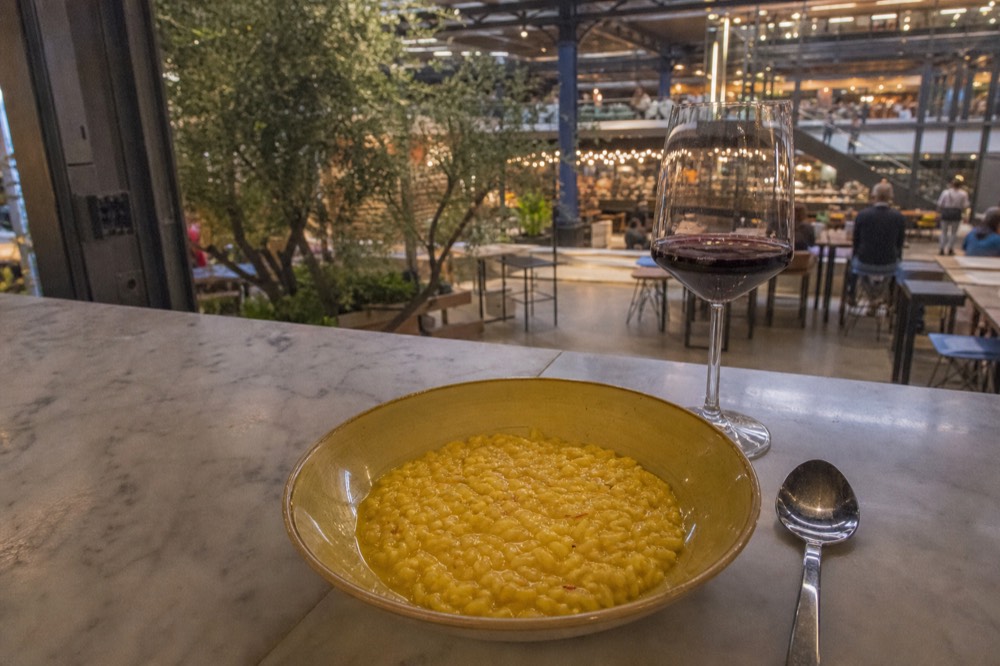
The market’s greatest strength is its location. You can step off a train, walk through the arrivals hall, and be eating a hot plate of pasta within five minutes. The food is not the cheapest in Milan, but it is rarely bad, and the variety means a group with different tastes can all find something. The on-site cooking school is a genuine bonus, especially if you have a couple of hours to kill between connections. The February 2026 incident is a real point of concern, but the market’s response and the subsequent clean operation suggest it was a one-off. Read the news reports, decide for yourself, and if you go, you’ll find one of the most atmospheric food halls in the country.
In the end, Mercato Centrale is not a hidden gem; it’s a busy, well-known food hall that does exactly what it promises. It’s clean, efficient, and full of good food. For travellers arriving by train, it’s almost impossible to beat the convenience. For locals, it’s a dependable spot for a quick lunch or an aperitivo before heading home. The 2026 health scare was serious, but it also demonstrated that the market is subject to the same inspections as any other food venue, and that it responded promptly. If you’re passing through Milano Centrale, give it a try. If you have more time, explore the neighbourhood food markets and the cooking school as well.
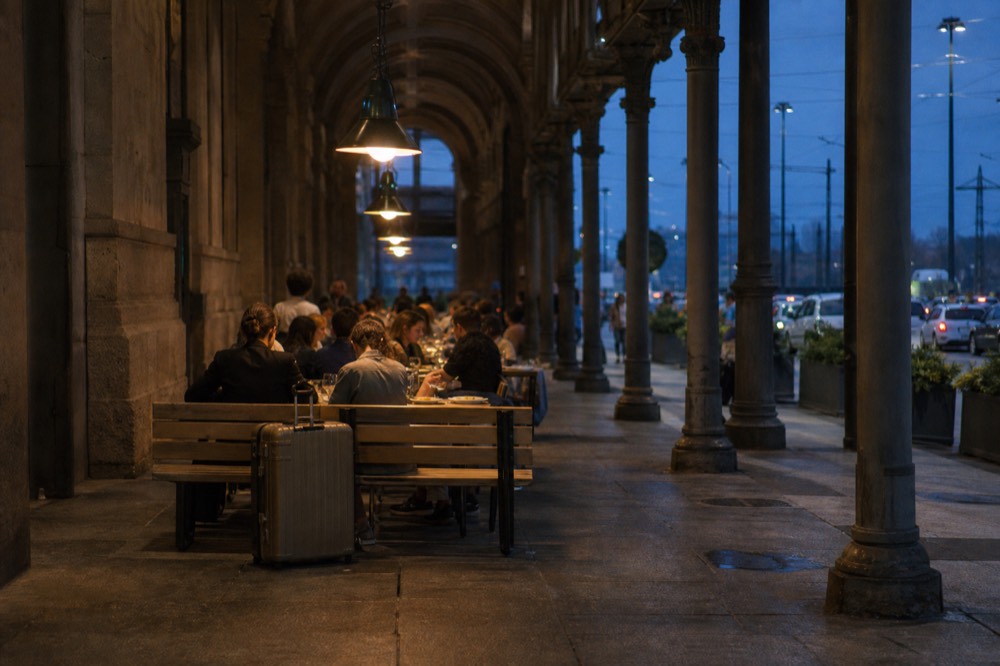
Here are the answers to the questions travellers most often ask about Mercato Centrale Milano, from prices and opening times to the cooking school and the 2026 inspection.
Common Questions About Mercato Centrale
Is It Expensive To Eat At The Mercato Centrale?
No, it is not expensive for a city-centre food hall. Most plates cost €10–15, with snacks from €5 and premium seafood a bit more. It is comparable to a casual trattoria.
What Time Does Mercato Centrale Milano Close?
The market closes at 11pm every day, including weekends and holidays. It opens at 6:30am.
Can You Book A Table At Mercato Centrale?
No, there is no booking system. Seating is open and shared; you find a spot and sit down. The cooking school classes can be booked in advance, though.
Is There A Cooking Class Inside Mercato Centrale?
Yes, the Towns of Italy cooking school runs pasta, pizza, and tiramisu classes on the first floor. You can book online and meet inside the hall.
Is Mercato Centrale Safe After The 2026 Inspection?
The market closed for extraordinary cleaning in February 2026 and reopened progressively. It has been reopening progressively since, so read the news reports and decide for yourself.
How Do I Get To Mercato Centrale From The Station?
From the main ticket hall, take the escalator or stairs down to the ground floor and follow the signs to Piazza IV Novembre. The market entrance is on the left as you exit the station building.